
California Car Seat Laws Overview
California mandates rear‑facing seats for children under 2 unless they weigh ≥40 lb. Forward‑facing seats need a top‑tether and harness until the child reaches the seat’s limits. Booster seats are used once the harness is out of range; the child must stay in the back seat until age 8. now!!
Legal Age and Weight Requirements
California law requires that all children under the age of two be placed in a rear‑facing car seat unless the child’s weight is 40 pounds or more, or the child’s height is 40 inches or taller. Once a child reaches the age of two, the vehicle must use a forward‑facing seat with a harness until the child’s weight or height exceeds the limits specified by the seat manufacturer. When the harness is no longer suitable, the child must transition to a booster seat. The booster remains mandatory until the child is at least eight years old or reaches a height of 4 feet 9 inches, whichever occurs first. If a child is 8 years of age or older, or is 4 feet 9 inches tall or taller, the child may use the vehicle’s seat belt system provided the belt fits correctly. The seat belt must sit low across the hips and the lap belt must rest on the upper thighs, while the shoulder belt should cross the center of the chest. Children who do not meet the height or weight criteria for a seat belt must continue to use a booster seat until they are 8 years old or 4 feet 9 inches tall. These age and weight thresholds are enforced by the California Department of Motor Vehicles and are designed to ensure that children are protected by the most appropriate restraint system for their size and developmental stage.
Rear-Facing Car Seat Guidelines
California law requires that every child under two be secured in a rear‑facing car seat unless the child weighs 40 lb or more, or is 40 inches tall or taller. The rear‑facing position protects the child’s head, neck, and spine in a crash. The law does not allow a child to be placed in a forward‑facing seat or a booster until the child’s weight or height exceeds the limits specified by the seat manufacturer. When a child reaches age two, the vehicle must use a forward‑facing seat with a harness until the child’s weight or height exceeds the seat’s limits. At that point the child must transition to a booster seat. The rear‑facing seat must be installed in the rear seat of the vehicle, and the child must remain in that seat until the weight or height limit is reached. The seat must be installed according to the instructions, using either the vehicle’s seat belt or the LATCH system, and the child’s harness must be snug and the headrest positioned. If a child’s weight or height exceeds the seat’s limits, the child must not be placed in a forward‑facing seat until the harness is no longer needed. The law also requires that the child’s seat be checked for proper installation and that the child’s harness be adjusted as the child grows. Failure to comply can result in a fine and points on the driver’s license. The California Department of Motor Vehicles provides resources for parents to verify that their child’s seat is installed correctly and that the child is using the restraint system for their age, weight, and height.
Forward-Facing Car Seat Guidelines
California requires that children who have outgrown the rear‑facing seat use a forward‑facing seat with a harness until the child’s weight or height reaches the maximum limits set by the seat manufacturer. The seat must be installed in the rear seat of the vehicle, and the child must remain in that seat until the harness is no longer needed. The harness must be snug and the headrest positioned so that the child’s head is supported. The seat must be secured with either the vehicle’s seat belt or the LATCH system, following the manufacturer’s instructions. When the child’s weight or height exceeds the forward‑facing seat’s limits, the child must transition to a booster seat. The booster seat must be used in the rear seat until the child is 8 years old or 4 ft 9 in tall, whichever comes first. The booster must be installed with the seat belt fitting properly: the lap belt should lie low on the hips and the shoulder belt should cross the chest. Parents should check the installation regularly and adjust the harness or belt as the child grows. Failure to comply with these requirements can result in a fine and points on the driver’s license. The California Department of Motor Vehicles offers guidance and tools to help parents verify correct installation and compliance with age, weight, and height limits.
When selecting a forward‑facing seat, parents should consult the manufacturer’s weight and height limits printed on the seat or in the manual. The seat’s label typically lists a minimum and maximum weight, as well as a minimum and maximum height. The child must meet the minimum before using the seat, and must not exceed the maximum. If the child’s weight or height is between the minimum and maximum, the seat can be used. The seat’s harness should be adjusted so that the straps lie flat across the child’s shoulders and chest, and the chest clip should be positioned at the child’s armpit. The child’s head should rest against the seat’s headrest, which should be positioned at the correct height to support the child’s neck. Parents should also ensure that the seat’s base is level and that the seat is not tilted forward. If the vehicle has a seat belt, the belt should be used in conjunction with the harness; the belt should be positioned over the child’s shoulder and across the chest, and the lap belt should lie low on the hips. If the vehicle uses the LATCH system, the seat’s lower anchors should be secured to the vehicle’s anchor points, and the seat should be tightened until it does not move more than an inch in any direction. The child’s harness should be checked for proper tension by pulling on the harness straps; the straps should not be too loose or too tight. Parents should also check that the child’s head is not too far from the seat’s headrest, which could cause neck injury in a crash. Finally, parents should keep a copy of the seat’s manual and the vehicle’s owner’s manual for reference, and should consult the California Department of Motor Vehicles website for updates to the law or new safety guidelines.

Booster Seat Transition Rules
When a child’s weight or height exceeds the limits of a forward‑facing seat, California law requires a transition to a booster seat. The booster must be used in the rear seat until the child reaches 8 years of age or 4 ft 9 in (147 cm) in height, whichever comes first. The seat belt must fit properly: the lap belt should lie low on the hips, touching the upper thighs, and the shoulder belt should cross the chest, not the neck. If the belt does not fit, the child must remain in a forward‑facing seat with a harness until the harness is no longer needed. Parents should verify that the child’s weight and height are within the booster’s specified limits, which are printed on the seat or in the manual. The booster should be installed with the vehicle’s seat belt or LATCH system, following the manufacturer’s instructions. The belt should be tightened so that it does not move more than an inch in any direction. The child’s head should rest against the seat’s headrest, positioned at the correct height to support the neck. Booster seats are not required for children who are 4 ft 9 in or taller, as the seat belt will fit them properly. However, if a child is shorter than 4 ft 9 in, the booster seat remains mandatory until the age or height threshold is met. Booster seats must not have a harness; they rely solely on the vehicle’s seat belt. The child’s shoulders should be snug under the shoulder belt, and the lap belt should be snug across the hips. The child must not be able to reach the belt with their hands or lean on the seat. The booster seat should be tested for correct installation by checking that it does not shift more than an inch when pulled. Failure to comply can result in fines and points on the driver’s license. For the most current regulations, parents should consult the California Department of Motor Vehicles website or the official child passenger safety brochure. Parents should also keep a copy of the booster seat manual and the vehicle’s owner’s manual for reference, and should review the California Department of Motor Vehicles updates annually.
Back Seat vs Front Seat Usage Exemptions
California law requires children under 8 to ride in a rear seat unless specific exemptions apply. Exemptions include: no rear seat available, rear seats are side‑facing jump seats, rear seats are rear‑facing seats, a car seat or booster cannot be installed properly in the rear, all rear seats are occupied by children seven years of age or younger, or a medical condition prevents rear‑seat travel. In such cases, a child may use an appropriate restraint in the front seat. However, a child cannot be transported in a rear‑facing seat in the front seat that has an active frontal airbag. Parents must provide proof of medical condition if required. These exemptions allow flexibility while maintaining safety, but the child’s restraint system must still meet California’s age, height, and weight requirements. The vehicle’s seat belt must fit correctly, with the lap belt low on the hips and the shoulder belt across the chest. If a child is 4 ft 9 in or taller, the seat belt may be used in the front seat without a booster. All other children must remain in the rear seat until they meet the age or height criteria. The California Department of Motor Vehicles publishes detailed guidelines and updates in its official child passenger safety brochure. Parents should review these guidelines before traveling. The exemption rules are designed to accommodate special circumstances while ensuring that children are protected by the most appropriate restraint system. If a child’s medical condition requires a seat that cannot be placed in the rear, a physician’s note can be used to justify the front‑seat placement. The law also specifies that the front seat must be equipped with a seat belt that is properly positioned, and the child must not be able to reach the belt with their hands. These provisions help to prevent injury in the event of a collision. By following the exemption criteria and ensuring the correct installation of the restraint system, parents can travel safely while complying with California’s child passenger safety regulations.
Front Seat Safety for Children 8 and Older
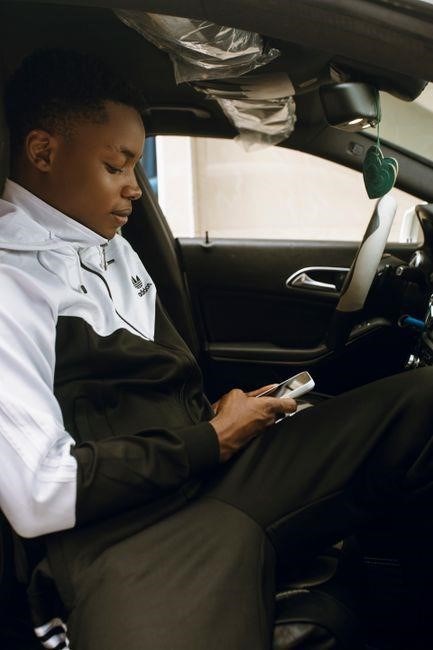
California law permits children who are eight years of age or older, or who are at least 4 ft 9 in tall, to ride in the front seat using the vehicle’s lap‑and‑shoulder belt system. The lap belt must sit low on the hips, touching the upper thighs, while the shoulder belt should cross the center of the chest and shoulder, avoiding the neck and face. If the belt does not fit properly—if the lap belt sits too high or the shoulder belt is too loose—the child must remain in a booster seat or a rear‑facing or forward‑facing seat in the back. The front seat must be equipped with a seat belt that is properly positioned; the child must not be able to reach the belt with their hands. In addition, the front seat’s airbag may remain active as long as the belt is correctly fitted, but a rear‑facing seat in the front is prohibited if the vehicle has an active frontal airbag. Parents should verify the belt’s placement by testing that the lap belt lies flat across the hips and that the shoulder belt crosses the chest. The California Department of Motor Vehicles recommends that children who are 8–12 years old wear a seat belt in the front seat only if the lap belt sits low on the hips and the shoulder belt crosses the chest; otherwise, a booster seat should be used. If a child is 8 years old but shorter than 4 ft 9 in, the seat belt may still be used if the belt fits properly, but a booster seat is recommended for optimal protection. The law requires that the child’s weight and height be checked against the seat belt’s specifications to ensure the belt’s effectiveness. By following these guidelines, parents can keep older children safe while complying with state regulations.

Medical Exemptions and Documentation

California law allows a child to be transported in a front seat or in a rear‑facing seat that is otherwise prohibited if a medical condition prevents safe use of the rear seat. A parent or guardian must provide written documentation from a licensed physician or qualified health professional that states the child’s medical condition, the specific seating restriction, and the recommended seating arrangement. The documentation must be signed, dated, and include the provider’s contact information. The exemption is valid for the duration of the medical condition; parent must update the documentation if the condition changes. The vehicle’s owner or driver must keep the medical exemption on hand during travel and present it to law enforcement upon request. Failure to provide valid documentation can result in a citation. The exemption does not apply to children 8 or older who meet height or weight criteria for front‑seat use; it is limited to children under 8 who cannot safely ride in the back seat. The exemption is also limited to situations where the rear seat is not available, is side‑facing, or is otherwise unusable. The California DMV advises parents to keep a copy of the medical exemption in the glove compartment and update it annually or if the child’s medical status changes. The exemption is not a substitute for a proper car seat; it merely allows an alternative seating arrangement when a medical condition requires it.

Enforcement and Penalties
California law requires that all children be secured in an appropriate restraint system. Law enforcement officers may issue a citation if a child is found unrestrained or improperly restrained. The base fine for a first violation is $100, but the amount can increase to $200 for repeat offenses. In addition to the monetary penalty, the driver may be required to complete a child passenger safety course. Courts may also order restitution for any injuries caused by the failure to use a proper seat. Parents and guardians who provide valid medical exemptions must keep the documentation in the vehicle; failure to produce it when requested can result in a second citation. The law also mandates that child safety seat manufacturers provide clear labeling of weight and height limits, and failure to follow those limits can result in a civil penalty under the California Vehicle Code. Enforcement officers are trained to check both the seat’s installation and the child’s position, ensuring compliance with the age, weight, and height guidelines set by the state. Proper use of a car seat not only protects the child but also reduces the likelihood of a citation and the associated financial burden.
Law enforcement officers are required to conduct child restraint inspections during routine traffic stops. If a child is improperly restrained, the officer may issue a warning or a citation. The citation includes a fine and a warning to correct the issue. Parents can appeal a citation by presenting medical documentation or evidence of proper seat installation. The California Vehicle Code allows for a reduced fine if the driver compliance with safety guideline!? The California Vehicle Code allows for a reduced fine if driver compliance with safety guideline!?
Resource: California Department of Public Health PDF
The California Department of Public Health (CDPH) publishes a comprehensive Child Passenger Safety brochure that serves as the primary reference for parents, caregivers, and safety professionals. The PDF, titled “Child Safety Brochure – English Version 2023,” is available for download from the CDPH website under the Child Passenger Safety Program section. It contains detailed guidance on age, weight, and height limits for rear‑facing, forward‑facing, and booster seats, as well as installation instructions and safety checklists. The document also outlines the legal requirements for seat belt fit, medical exemptions, and enforcement procedures. CDPH emphasizes the importance of using the correct seat type until the child reaches the manufacturer’s specified limits, and it provides a table of common seat models with their respective weight and height ranges. Additionally, the brochure includes a troubleshooting guide for common installation problems, a list of reputable manufacturers, and links to local resources for seat fitting assistance; The PDF is updated annually to reflect changes in legislation and new safety research, ensuring that users have access to the most current information. Parents can print or save the file for quick reference while traveling or during routine vehicle checks. The PDF also contains a quick reference guide free summarizing age, weight, and height thresholds recommended seat types, and step‑by‑step installation photos for rear‑and front‑seat configurations. Download the PDF from the CDPH site to stay compliant today.
Manufacturer Height and Weight Limits
California’s child‑seat regulations require that each seat’s height and weight limits be respected. Manufacturers specify these limits in the seat’s instruction manual and on a label inside the seat. For rear‑facing seats, the typical range is 4 lb to 40 lb and 20 in to 40 in. Forward‑facing seats with a harness usually allow 22 lb to 65 lb and 29 in to 48 in. Booster seats are designed for 40 lb to 120 lb and 40 in to 57 in. These ranges are the maximums; parents should not exceed them. The CDPH brochure lists several common models: the Graco 4Ever, Chicco KeyFit, and Evenflo Symphony, each with distinct weight/height thresholds. When a child reaches the upper limit of a seat, they must transition to the next type. For example, a child who is 40 lb and 40 in tall will still be rear‑facing until they exceed 40 lb or 40 in, then switch to forward‑facing. If a child’s height is 48 in but their weight is 65 lb, they may still be in a forward‑facing seat if the harness fits properly. The CDPH PDF provides a table that cross‑references age, height, weight, and seat type, allowing caregivers to quickly verify compliance. It also advises that if a child’s growth outpaces the seat’s limits, a booster should be used until the child is 8 years old or 4 ft 9 in tall. Always consult the specific seat’s manual for exact limits, as variations exist between models and manufacturers. Failure to adhere to these limits can result in a citation and jeopardize the child’s safety in a crash. The CDPH also recommends that parents keep a copy of the seat’s manual on hand, as some manufacturers provide updated firmware or safety notices that may alter weight limits. In addition, the state requires that the seat’s label be visible and legible; if it is faded or missing, the seat may be considered non‑compliant. For parents traveling interstate, it is advisable to verify that the seat meets the Federal Motor Vehicle Safety Standard 213 (FMVSS 213) as California’s regulations are aligned with federal guidelines. Finally, the CDPH PDF includes a quick reference chart that lists the most common seat models and their corresponding weight and height limits, making it easier for caregivers to make informed decisions without consulting each manufacturer’s website individually. When selecting a seat, parents should also consider the vehicle’s seat belt anchorage points, as some seats require a specific belt type. The CDPH PDF offers illustrations of how to align the belt across the child’s hips and chest. Additionally, parents should be aware that some newer seats incorporate a “tether” anchor that must be used in the rear seat to meet the law. If a child’s height exceeds the seat’s maximum, the seat’s harness should be replaced with a booster that has a lap‑belt only configuration. The CDPH also stresses that booster seats should not be used in the front seat unless the vehicle has a seat‑belt that fits properly and the rear seat is unavailable.
Installation Tips for Rear Seats
Installing a child seat in the rear seat requires careful attention to the vehicle’s seat belt or LATCH system, the seat’s harness, and the child’s weight and height. First, locate the LATCH anchors on the vehicle seat; if your car has them, attach the lower tether straps to the anchors and tighten until the seat is snug. If the vehicle lacks LATCH, use the seat belt, threading it through the belt path and locking it. Next, position the seat so that the child’s hips are at or above the belt’s top edge. Adjust the belt tension so that it is snug but not overly tight; a good test is that you cannot push more than an inch of belt between the child’s shoulder and the belt. For rear‑facing seats, ensure the child’s head is supported by the seat’s headrest and that the harness straps sit snugly across the shoulders, not the neck. If the seat has a top tether, secure it to the vehicle’s anchor and tighten until the seat cannot move more than an inch forward. Finally, double‑check that the seat is not rocking by pushing on the seat’s side; it should remain stable. Remember to test the seat after every installation change, such as moving the child to a different car or swapping to a new seat, to ensure ongoing compliance with California law. When installing, always verify that the seat’s side rails are flush with the vehicle seat edges; any gap can allow the seat to shift during a collision. Follow the manual closely. And check the label. Now!! Follow CDPH safety rules daily now!. Check harness fit. Now!!!
Frequently Asked Questions Summary
What age must a child be before using a forward‑facing seat? California requires rear‑facing until the child reaches the seat’s weight or height limits. Once those limits are exceeded, the child may transition to a forward‑facing seat with a harness and top‑tether.
How do I know if a booster is needed? If the child’s lap belt lies low on the hips and the shoulder belt crosses the chest, the seat belt fits properly. If the lap belt sits above the hips, a booster is required.
Can a child ride in the front seat? Children under 8 may ride in the front only if the rear seats are unavailable or side‑facing. A rear‑facing seat cannot be placed in the front if the seat has an active frontal airbag.
What documents are required for medical exemptions? A doctor’s note or hospital discharge summary explaining why the child cannot sit in the rear seat, on official letterhead and signed, is accepted by the California Department of Public Health for enforcement.
What penalties exist for non‑compliance? A fine up to $200 and potential points on the driver’s license. Repeated violations can lead to higher fines. Enforcement officers can issue a citation at any time, so follow the law strictly.
Where can I find the official PDF? The California Department of Public Health publishes a comprehensive “Child Passenger Safety” guide with age, weight, height tables, installation instructions, and legal requirements. The PDF is available on the CDPH website and can be downloaded for free.